
Did you know that Australians wager billions of dollars annually on sports? From the Melbourne Cup to the Ashes series, sports betting is deeply ingrained in the nation’s culture. However, navigating the legal landscape of sports betting in Australia can feel like running an obstacle course. While sports betting enjoys widespread popularity, its legality isn’t a straightforward, nationwide ‘yes’ or ‘no’ answer. The rules of the game change depending on which state or territory you’re in, creating a patchwork of regulations that can confuse even seasoned punters.
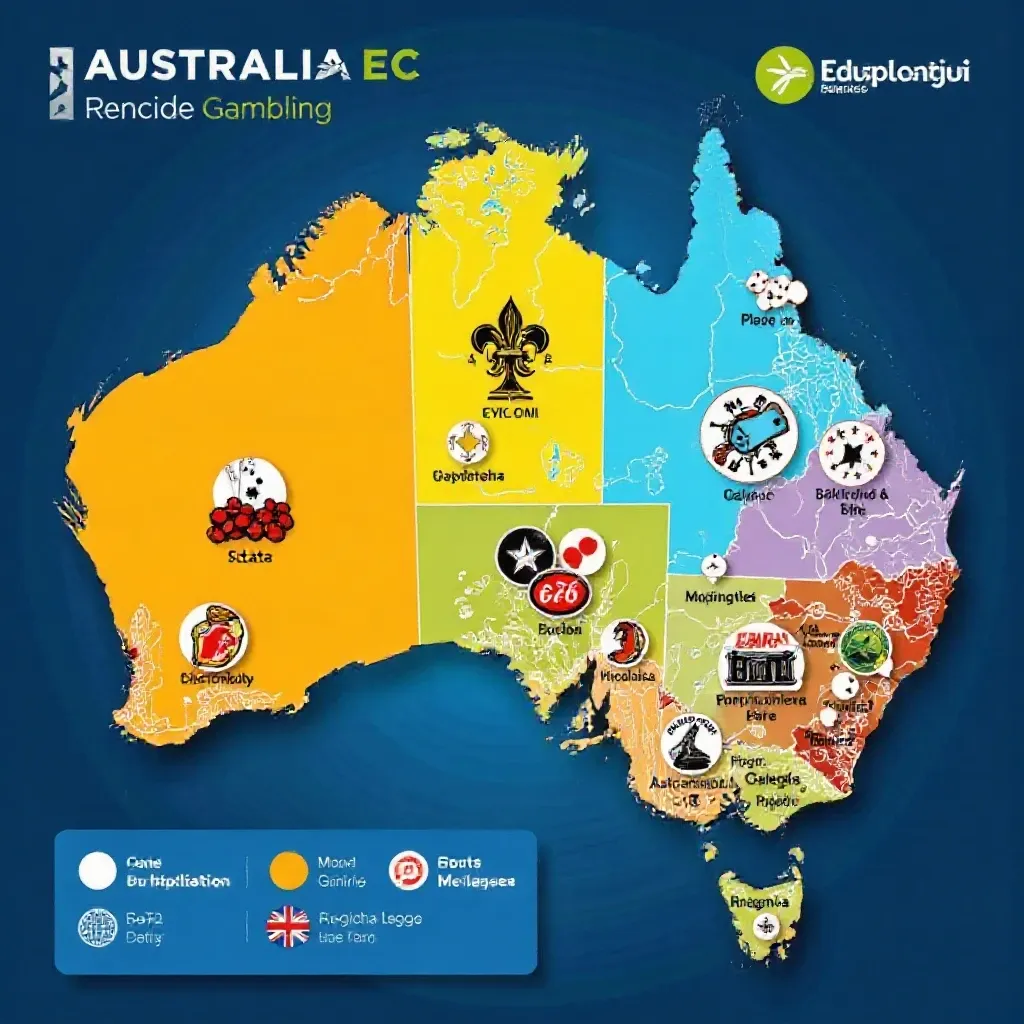
While the Commonwealth government sets some overarching guidelines, the real power lies with each individual state and territory. This means that what’s perfectly legal in Victoria might be subject to restrictions or even outright banned just across the border in New South Wales. So, is sports betting legal where you live? Let’s break down the complexities of Australia’s sports betting laws and uncover the current state of play across the country.
The Federal Framework: An Overview
The landscape of sports betting in Australia is shaped by a combination of federal and state regulations, with the Interactive Gambling Act (IGA) of 2001 serving as the cornerstone of the federal framework. Understanding the IGA is crucial to navigating the complexities of Australian gambling laws. This act doesn’t outright ban online gambling; instead, it focuses on regulating the providers of interactive gambling services.
A common misconception is that the IGA prohibits Australians from participating in online sports betting. In reality, the law primarily targets operators, making it illegal for companies not licensed in Australia to offer real-money interactive gambling services to Australian residents. This distinction is important: the IGA largely leaves consumers untouched, allowing them to freely engage with licensed betting platforms. The federal act sets the basic ground rules, while state and territory laws add further layers of regulation, such as licensing requirements and consumer protection measures.
Key Provisions of the IGA
The Interactive Gambling Act has several key provisions. While it doesn’t directly prohibit Australians from placing bets with offshore operators, it does make it an offense for these operators to provide services to Australian customers without a proper Australian license. There are exceptions; for example, the IGA doesn’t apply to lottery services or certain forms of wagering that are licensed and regulated at the state or territory level. The Australian Communications and Media Authority (ACMA) is responsible for enforcing the IGA and has taken action against numerous offshore operators found to be in breach of its provisions, including issuing warnings and ওয়েবসাইট блокировка запросов.

State-by-State Breakdown: A Detailed Look
Navigating the world of sports betting in Australia requires understanding the specific laws and regulations that govern each state and territory. While a federal framework exists, the actual implementation, licensing, and enforcement fall to individual jurisdictions. This creates a patchwork of rules that bettors and operators alike must be aware of.
New South Wales (NSW)
In New South Wales, online sports betting is legal, governed primarily by the Betting and Racing Act 1998. There are no specific restrictions that are out of the ordinary on the types of bets allowed. A range of licensed betting operators is permitted. Recent changes have focused on responsible gambling measures, including stricter advertising guidelines.
Victoria (VIC)
Victoria permits online sports betting under the Gambling Regulation Act 2003. Like NSW, most standard bet types are allowed. There are many licensed betting operators active within the state. Regulatory updates often center on minimizing gambling harm and ensuring operator compliance.
Queensland (QLD)
Queensland regulates sports betting through the Wagering Act 1998. Online betting is legal. The state is home of many licensed operators. Recent regulatory activity has included reviews of advertising standards.
Western Australia (WA)
Western Australia has a more restrictive approach. Online sports betting is legal, but the state does not issue licenses to online-only operators based outside of WA. The main operator is TAB. WA’s regulations, overseen by the Department of Racing, Gaming and Liquor, have remained relatively stable compared to other states.
South Australia (SA)
South Australia allows online sports betting, regulated by the Gambling Administration Act 2019. A variety of licensed operators offer services. Recent changes include updates to responsible gambling codes of conduct. The Independent Gambling Authority (IGA) oversees compliance and enforcement.
Tasmania (TAS)
Tasmania permits online sports betting. There are many licensed operators offering services in the state. Recent regulatory actions have focused on consumer protection and responsible gambling initiatives.
Northern Territory (NT)
The Northern Territory was one of the first jurisdictions to embrace online sports betting and serves as a licensing hub for many operators. Betting is legal. Its regulatory environment, overseen by the NT Racing Commission, is business-friendly, attracting many online bookmakers. Recent changes have included updates to licensing requirements.
Australian Capital Territory (ACT)
The Australian Capital Territory allows online sports betting. Betting is legal. Recent regulatory changes have emphasized responsible gambling measures and advertising restrictions, aligning with national trends.
Licensing and Regulation: What Operators Need to Know
Operating a sports betting platform in Australia requires navigating a complex landscape of licensing and regulation. It’s not a one-size-fits-all situation; the rules vary significantly depending on which state or territory you intend to operate in. Consequently, anyone looking to offer sports wagering services to Australian residents must obtain the appropriate license(s).
The licensing process begins with identifying the specific type of license required. Different states and territories may offer licenses tailored to online-only operators, land-based venues, or a combination of both. A prospective operator needs to determine the scope of their intended services before commencing the application. After the suitable license is identified, the application process comes next, demanding a mountain of paperwork. This typically includes detailed business plans, financial records, background checks on key personnel, and comprehensive documentation outlining the platform’s technology and security measures.
Successful applicants will need to demonstrate a robust commitment to responsible gambling practices. This commitment involves implementing measures to prevent underage gambling, offering options for self-exclusion, and providing resources for customers who may be experiencing gambling-related problems. Furthermore, operators are subject to ongoing compliance requirements, including regular audits, adherence to strict advertising guidelines, and the implementation of anti-money laundering (AML) protocols. Failure to comply with these regulations can result in hefty fines, suspension of licenses, or even criminal prosecution. Each regulatory body maintain websites with detailed information. You can usually find the regulatory agency’s contact information via business search.
Responsible Gambling Obligations
Protecting consumers is an integral part of any sports betting regulation, and the regulators place considerable emphasis on responsible gambling obligations. Operators have to implement a range of measures designed to mitigate the potential harms associated with gambling. This includes offering pre-commitment limits, so customers can set budgets and track their spending. Responsible gambling also means proactively identifying and interacting with customers who may be at risk of developing a gambling problem. Staff training is paramount, equipping employees to recognize the signs of problem gambling. Operators should be prepared to share information on support services, and make self-exclusion programs readily available.
Offshore Betting: Navigating the Gray Areas
Offshore betting refers to wagering on sports or other events through websites or platforms that are based and licensed outside of Australia. These sites often operate in jurisdictions with less stringent regulations than those in place domestically.
From an Australian consumer’s perspective, the legal status of using offshore betting sites exists in a gray area. While it is not explicitly illegal for individuals to place bets with these operators, it is illegal for offshore companies to advertise or offer their services to Australian residents without proper licensing from Australian authorities.
This legal ambiguity creates several significant risks. One of the most concerning is the lack of consumer protection. Offshore betting sites are not bound by Australian consumer law, meaning individuals who encounter issues such as unpaid winnings, fraudulent activity, or unfair terms and conditions may have limited recourse. Resolving disputes can be incredibly difficult and costly, often requiring navigating foreign legal systems.
The Australian government is actively working to combat illegal offshore gambling through measures such as website blocking, payment blocking, and increased enforcement of existing laws. Australians who want to bet safely should use only operators licensed in Australia.
Risks of Using Offshore Platforms
Participating in sports betting via offshore platforms carries inherent risks. Users might find themselves exposed to potential data breaches, where their personal and financial information could be compromised. There’s also a heightened possibility of encountering fraudulent activities, including the manipulation of odds or the outright theft of funds. The lack of regulatory oversight on these platforms increases the danger of getting caught up in criminal schemes.
The Future of Sports Betting Laws in Australia
The Australian sports betting landscape is dynamic, and its legal framework is likely to evolve significantly in the coming years. Several factors are poised to drive change, reshaping how Australians engage with sports wagering.
One prominent driver is the escalating popularity of esports betting. As competitive gaming attracts a larger audience, wagers on esports events are increasing, potentially prompting regulators to adapt existing laws or create new ones specifically for this burgeoning market. The unique characteristics of esports, such as younger demographics and fast-paced gameplay, may necessitate tailored responsible gambling measures.
Advancements in online gambling technology will also play a crucial role. Innovative platforms and features could lead to calls for updated regulations that address data privacy, cybersecurity, and fair gaming practices. Increased use of artificial intelligence in betting algorithms might raise concerns about transparency and the potential for manipulation, requiring regulatory oversight.
Furthermore, pressure for greater consumer protection is likely to intensify. Advocacy groups and concerned individuals are pushing for tighter restrictions on advertising, particularly those targeting vulnerable populations. Increased focus on responsible gambling initiatives, such as mandatory betting limits and self-exclusion programs, could become mainstream.
The gambling industry itself will contribute to the discussion, advocating for changes that reflect the evolving market while ensuring a level playing field. This may include lobbying for changes to licensing requirements, tax structures, and permitted betting products. Ultimately, the future of sports betting laws in Australia will be shaped by a complex interplay of technological advancements, shifting social attitudes, and the ongoing efforts of regulators, industry stakeholders, and consumer advocates.
Conclusion
Navigating the legal landscape of sports betting in Australia can feel like running an obstacle course. While nationwide, licensed bookmakers offer a variety of betting options, the specifics are determined by each state and territory’s gambling laws. This creates a patchwork of regulations that bettors need to be aware of.
The key takeaway is this: sports betting is generally legal in Australia, but the devil is in the details. Online betting is permitted through licensed operators, but certain types of bets or promotional offers may be restricted depending on where you are. Gambling laws are changing and what’s legal today might not be tomorrow. Always check the specific regulations in your state or territory before placing any bets.
Stay informed, bet responsibly, and remember that knowledge is your best advantage in the ever-evolving world of Australian sports betting. Keep an eye for more updates on gambling legislation.