
The flashing lights and enticing sounds of slot machines beckon, but lurking beneath the surface is a persistent question: are they fair? The concern that slot machines might be rigged is understandable – after all, luck seems to be the only factor at play. However, modern slot machines rely on a sophisticated piece of technology called a Random Number Generator, or RNG, to ensure fair play. Understanding the RNG is crucial to understanding the fairness of slot machines.
As an expert, I’ve spent years studying the intricacies of gambling technology, and I’m here to provide a clear, unbiased explanation of how RNG technology works. It could solve the doubts and concerns you have around it.
We’ll delve into the mechanics of RNGs, explore how they’re tested and regulated, and address the most common misconceptions about slot machine fairness. Forget any concerns you have, just learn more to be secure about randomness, and gambling.
What is RNG Technology and How Does It Work?
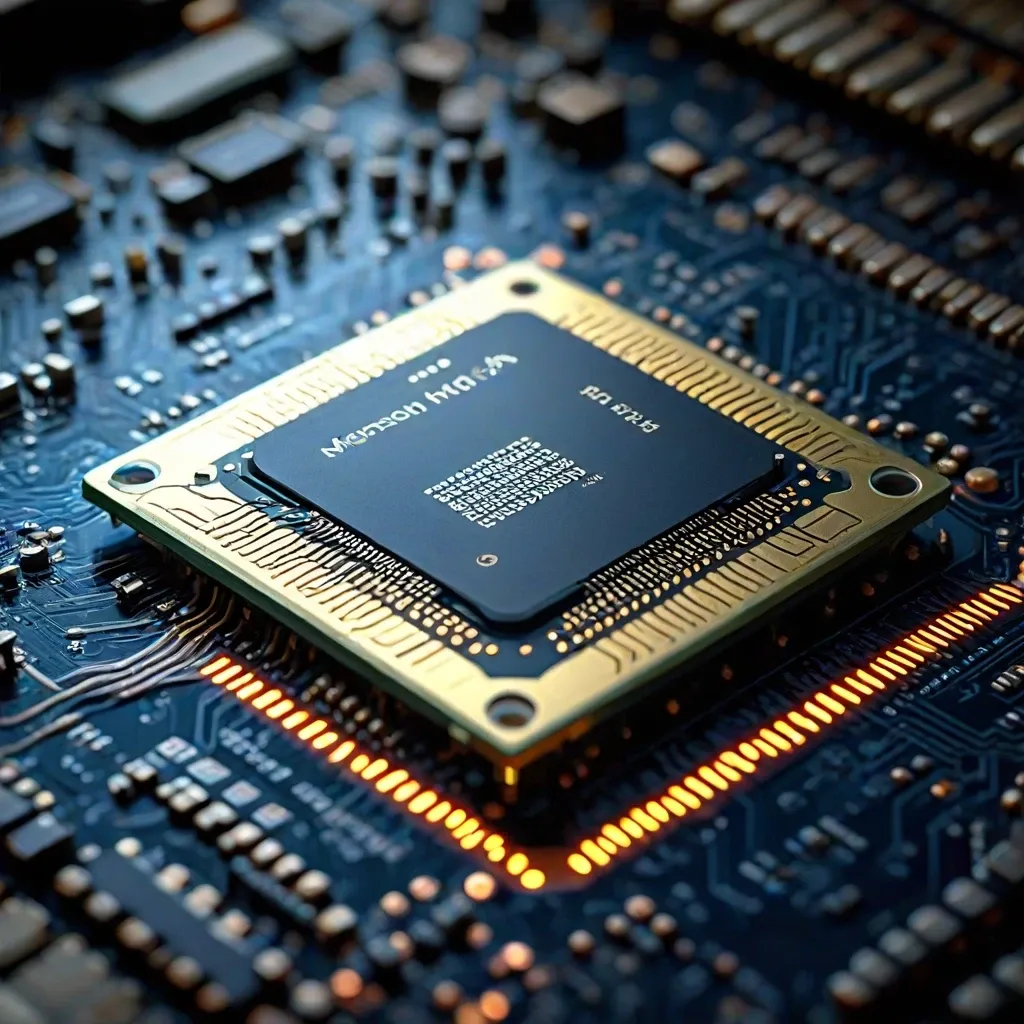
At the heart of every modern slot machine, dictating whether you win or lose, lies a complex piece of technology called the Random Number Generator (RNG). Simply put, an RNG is a system, often implemented as a microchip and its associated software, that generates a sequence of numbers. The most critical aspect of these numbers? They are statistically random. Each number the RNG produces corresponds to a specific outcome on the slot machine’s reels. When you spin the reels, the RNG spits out a number, and instantly, the machine translates that number into a particular arrangement of symbols. This process happens lightning-fast, long before the reels visually stop spinning, creating the illusion of anticipation.
Think of it like this: imagine a vast digital lottery constantly running in the background. The moment you hit the “spin” button, you’re essentially drawing a lottery number. This number, determined by the RNG, dictates the combination displayed on the screen. The beauty (and frustration, at times) is that each spin is an independent event. The outcome of the previous spin has absolutely no bearing on the next. This is pure, unadulterated chance at play.
Where does the randomness originate? RNGs use a “seed number” as a starting point. This seed number is then fed into a complex mathematical algorithm. For example, manufacturers can use time that player hits the “spin” button (milliseconds) as a seed number. Because it is a random moment for each situation, it is so hard to predict. The algorithm then performs various calculations, creating a chain reaction that results in a seemingly unpredictable sequence of numbers displayed.
The Role of Algorithms
The heart of any RNG lies in its algorithm, specifically designed to ensure true randomness. These are often cryptographic algorithms, meaning they are designed to be incredibly difficult to predict or reverse-engineer. The strength of the algorithm determines the quality of the RNG. A well-designed algorithm ensures that the sequence of numbers generated is statistically random, without any discernible patterns. The pseudo-random number generators (PRNG) use seed values to get unpredictable results. These seed values are also crucial to the proper random work inside the machine.
The Math Behind the Randomness
Random Number Generators (RNGs) aren’t truly random; they’re more like incredibly sophisticated illusionists. The magic behind them is rooted in mathematics, specifically the concept of pseudo-randomness. Think of it like this: a truly random event is like flipping a coin – each flip is independent and unpredictable. Pseudo-randomness, on the other hand, is like a very, very long and complex recipe. The recipe (the algorithm) always produces the same ingredients (the sequence of numbers), but the recipe is so intricate that the output appears random to anyone who doesn’t know the recipe. A prime example of a simple RNG formula is the Linear Congruential Generator (LCG), which looks like this: Xn+1 = (aXn + c) mod m. Where X is your sequence of random values, m is the modulus, a is the multiplier and c is the increment. Even with this simple formula, generating a large sequence of numbers makes them look fairly random.
The key is a large sample size. The longer the sequence of numbers generated, the more the statistical distribution of those numbers matters. This distribution has to be close to a uniform one, meaning that all numbers have to show up as often as the others. The whole point is to avoid predictability. If you only look at a small sample, you might see patterns, but over millions or billions of generated numbers, those patterns should vanish. Understanding it comes down to the core math of probability behind that randomness.
Ensuring a Fair Distribution
Beyond generating numbers, a core goal of RNGs is fairness. This translates to ensuring a consistent outcome distribution. Consider a slot machine. The probability of hitting the jackpot might be 1 in 10 million. An RNG that is being used has to make sure that, across millions of spins, the jackpot hits approximately that often. Variance, or how much the actual results deviate from the expected probability, is also important. A high variance could mean someone hits the jackpot twice in a row, followed by 20 million spins without a single hit. A fair RNG aims for low variance, keeping the odds consistent. Simulating millions of spins is not only crucial for RNG testing but also essential to make sure the slots pay the right amount to winners.
Regulation and Testing: Ensuring Fairness
The integrity of Random Number Generators (RNGs) in online gaming is paramount to ensuring fair play and maintaining player trust. This is where regulatory bodies and independent testing laboratories step in, acting as guardians of fairness. These entities are responsible for setting standards, conducting rigorous testing, and ensuring ongoing compliance within the industry.
Several major regulatory bodies oversee online gaming operations worldwide. These include the Malta Gaming Authority (MGA), the UK Gambling Commission (UKGC), and the Nevada Gaming Control Board (NGCB). These organizations issue licenses to operators who meet stringent criteria, including demonstrating the fairness and randomness of their RNGs. Licensing involves submitting to regular audits and adhering to strict guidelines concerning data security, responsible gambling, and player protection. Without these gaming regulations in place, players would have no way to trust that the games they play are truly random and unbiased.
Beyond regulatory bodies, independent testing labs play a crucial role in RNG verification. eCOGRA (e-Commerce Online Gaming Regulation and Assurance) is one of the most well-known and respected of these labs. Other prominent testing agencies include iTech Labs and GLI (Gaming Laboratories International). These labs specialize in evaluating the mathematical randomness of RNGs, scrutinizing the software code, and assessing the overall security of gaming platforms. Their seal of approval signifies that an RNG has been thoroughly tested and meets the required standards of fairness.
Auditing Processes
Testing an RNG is a complex and multifaceted process. Testing labs employ sophisticated statistical analysis to evaluate the output of an RNG over a vast number of simulated game rounds. These tests assess whether the generated numbers exhibit true randomness, free from any patterns or biases. Testers analyze the distribution of numbers, looking for any deviations from expected probabilities. In addition to statistical testing, labs also examine the source code of the RNG algorithm to identify any potential vulnerabilities or weaknesses that could be exploited to manipulate game outcomes.
Regular auditing is also essential to ensure ongoing compliance. Operators are required to submit their RNGs for periodic re-testing to maintain their licenses. This process ensures that the RNG continues to function correctly and that no unauthorized modifications have been made. These ongoing assessments provide players with a continuous assurance of fair play, reinforcing the credibility of the gaming platform. Furthermore, RTP (Return to Player) validation is a key aspect, with labs verifying that actual game payouts align with the theoretical RTP percentages declared by the game developers. Data security protocols are also critically examined to confirm that sensitive player information is protected and that the RNG itself is shielded from external interference.
Common Misconceptions About Slot Fairness
The world of slot machines is often shrouded in mystery, leading to numerous misconceptions about their fairness and operation. Many players harbor deep-seated fears that slots are easily manipulated or rigged against them. These ‘rigged slots’ theories, while understandable, are largely unfounded when considering the technology that powers modern machines.
Slot Myths Debunked
One pervasive myth is that ‘slots are looser at certain times.’ The idea that casinos adjust payout rates based on the time of day or week is simply not true. Modern slot machines utilize Random Number Generators (RNGs). These RNGs generate thousands of number combinations per second, and each spin’s outcome is determined by the precise moment the player hits the spin button. This ensures that every spin is independent and random, regardless of the time. There is no pattern or schedule that can be exploited.
Another common misconception is that ‘pulling the lever changes the outcome’ compared to pressing the spin button. This belief stems from the old mechanical slots, where the force of the pull might have had a minor, almost negligible, impact. However, in today’s electronic slots, both the lever and the button perform the same function: they signal the RNG to select a number. The outcome is predetermined the instant the signal is given, making the method of activation irrelevant. Therefore, pulling the lever offers no advantage or disadvantage.
The fear of manipulation, or ‘cheating’, within slot machines is understandable, but the reality is that modern slots are heavily regulated and monitored. Gaming commissions and independent auditing firms routinely test and certify slot machines to ensure they meet strict fairness standards. These tests focus on the randomness of the RNG and the accuracy of the payout percentages. Any attempt to manipulate a slot machine would not only be incredibly difficult but also carry severe legal consequences for the casino.

RNG in Online vs. Land-Based Slots
The heart of any slot machine, whether digital or mechanical, is the Random Number Generator (RNG). This crucial component dictates the outcome of each spin, ensuring fairness and unpredictability. But are the RNGs in your favorite online slots the same as those in the land-based casinos? The answer is more nuanced than a simple yes or no.
Essentially, the underlying principle remains constant. Both online and land-based slots utilize sophisticated algorithms to generate a sequence of random numbers. These numbers are then mapped to specific symbols on the reels, determining the winning combination (or lack thereof). However, the practical implementation and regulatory oversight can differ.
Land-based casinos often employ physical RNGs, which are computer chips embedded within the slot machine itself. These chips are rigorously tested and regulated by gaming authorities to ensure their randomness and prevent manipulation. Online casinos, on the other hand, rely on software-based RNGs. These RNGs are housed on the casino’s servers and are subject to similar testing and regulatory scrutiny.
One key difference lies in the testing process. While physical RNGs can be examined directly, software-based RNGs require more complex auditing procedures. Independent testing laboratories employ statistical analysis and simulation techniques to verify the randomness and fairness of these algorithms. Despite these differences, the goal remains the same: to provide players with a fair and unpredictable gaming experience, regardless of whether they are spinning the reels online or in a traditional casino.
The Future of RNG and Slot Fairness
The future of Random Number Generators (RNGs) and slot fairness is intertwined with the rapid advancements in technology, particularly in the realms of blockchain and Artificial Intelligence (AI). These innovations hold the potential to reshape how RNGs operate and, consequently, how fairness is ensured in slot machines and other casino games.
Blockchain technology, with its inherent transparency and immutability, could offer a revolutionary approach to RNG verification. Imagine a system where every RNG outcome is recorded on a public, distributed ledger. This would allow players and regulators to independently verify the randomness and fairness of each spin, eliminating any suspicion of manipulation. Cryptographic security within blockchain would make tampering virtually impossible, fostering greater trust and confidence in the gaming process.
AI could play a significant role in optimizing and monitoring RNGs. AI algorithms can analyze vast datasets of RNG outputs to detect patterns or anomalies that might indicate bias or malfunction. Furthermore, AI could be used to create more sophisticated RNGs that adapt to changing game conditions and player behavior, ensuring a consistently random and fair experience. The evolution of AI-powered RNGs might also lead to personalized gaming experiences, where the odds and payouts are tailored to individual player profiles while maintaining overall fairness.
The integration of these technologies is not without its challenges. Regulatory frameworks need to adapt to these new innovations, and security protocols must be robust enough to withstand potential attacks. However, the potential benefits of increased transparency, security, and fairness make the exploration of blockchain and AI in RNG technology a worthwhile endeavor for the future of gambling.
Conclusion
In conclusion, the Random Number Generator stands as the unwavering cornerstone of fairness in modern slot machines. It’s the invisible hand that governs each spin, ensuring every player has an equal opportunity to win, regardless of their past results or playing habits. As an expert in the field, I can confidently say that the implementation of RNG technology has revolutionized the gambling industry, transforming slot machines from games of chance often questioned into platforms of verifiable fairness and randomized outcomes.
While misconceptions about slot machine manipulation may persist, understanding the role of the RNG should inspire confidence. In regulated casinos and online platforms, these systems are rigorously tested and monitored, assuring players that the odds are not stacked against them. The next time you play a slot machine, remember the RNG – the silent guardian of fair play, tirelessly working to deliver a truly random and unbiased gaming experience. You can walk away with the Jackpot, but only depends on your lucky and on the RNG.